The 3 Greatest Films of All Time
1. Vertigo
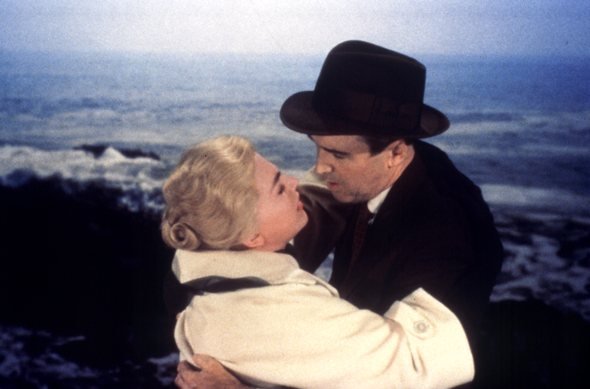 |
Alfred Hitchcock, 1958 (191 votes)
Hitchcock’s supreme and most mysterious piece (as cinema and as an emblem of the art). Paranoia and obsession have never looked better.
—Marco Müller
After half a century of monopolising the top spot, Citizen Kane was beginning to look smugly inviolable. Call it Schadenfreude, but let’s rejoice that this now conventional and ritualised symbol of ‘the greatest’ has finally been taken down a peg. The accession of Vertigo is hardly in the nature of a coup d’état. Tying for 11th place in 1972, Hitchcock’s masterpiece steadily inched up the poll over the next three decades, and by 2002 was clearly the heir apparent. Still, even ardent Wellesians should feel gratified at the modest revolution – if only for the proof that film canons (and the versions of history they legitimate) are not completely fossilised.
There may be no larger significance in the bare fact that a couple of films made in California 17 years apart have traded numerical rankings on a whimsically impressionistic list. Yet the human urge to interpret chance phenomena will not be denied, and Vertigo is a crafty, duplicitous machine for spinning meaning…
—Peter Matthews’ opening to his new essay on Vertigo in our September 2012 issue
Watch Kim Novak discuss Vertigo online on BFI Player
2. Citizen Kane
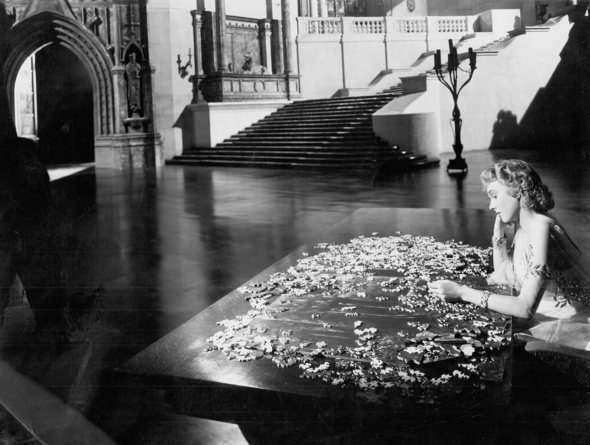 |
Orson Welles, 1941 (157 votes)
Kane and Vertigo don’t top the chart by divine right. But those two films are just still the best at doing what great cinema ought to do: extending the everyday into the visionary.
—Nigel Andrews
In the last decade I’ve watched this first feature many times, and each time, it reveals new treasures. Clearly, no single film is the greatest ever made. But if there were one, for me Kane would now be the strongest contender, bar none.
—Geoff Andrew
All celluloid life is present in Citizen Kane; seeing it for the first or umpteenth time remains a revelation.
—Trevor Johnston
3. Tokyo Story
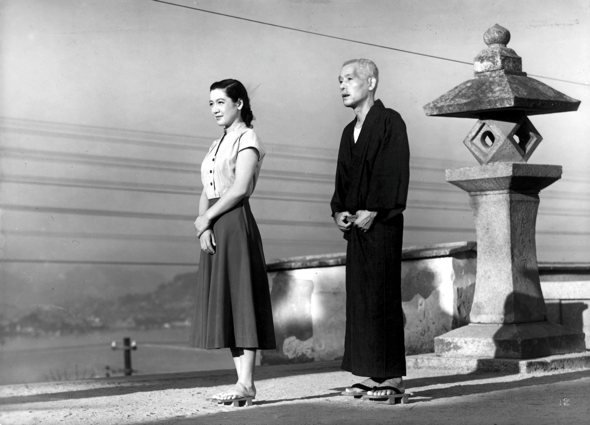 |
Ozu Yasujiro, 1953 (107 votes)
Ozu used to liken himself to a “tofu-maker”, in reference to the way his films – at least the post-war ones – were all variations on a small number of themes. So why is it Tokyo Story that is acclaimed by most as his masterpiece? DVD releases have made available such prewar films as I Was Born, But…, and yet the Ozu vote has not been split, and Tokyo Story has actually climbed two places since 2002. It may simply be that in Tokyo Story this most Japanese tofu-maker refined his art to the point of perfection, and crafted a truly universal film about family, time and loss.
—James Bell
The best 3 Greatest Films of All Time
The best moment in life the movie


No comments:
Post a Comment
thank you for comment